Expert Tree Trimming Services in Cable, WI
Tree trimming in Cable usually starts with space, not shape. Most properties here sit tight against the woods, with trees growing where they’ve always grown until they start pressing into trails, drive paths, roofs, or each other.
When someone calls us for tree trimming services in Cable, it’s rarely about looks. It’s about getting a little breathing room back before access, light, or safety becomes a bigger issue. Cable isn’t a place where trees stand alone. They grow thick, close, and competitive. That changes how trimming needs to be handled.
What We Notice First on Cable Properties
More often than not, trees around Cables are competing for the same space. Pines stretching upward too fast. Hardwoods leaning slightly toward openings. Lower limbs reaching out over trails and drives because that’s where the light is. With local tree trimming, the first thing we look at isn’t the top of the tree. It’s what’s happening lower down—where branches are starting to interfere with use. A limb over a trail. Branches brushing a cabin roof. Growth narrowing a driveway that used to feel wider. Most of this doesn’t show up overnight. It builds a little every season.
Why Access Becomes the Real Limiting Factor
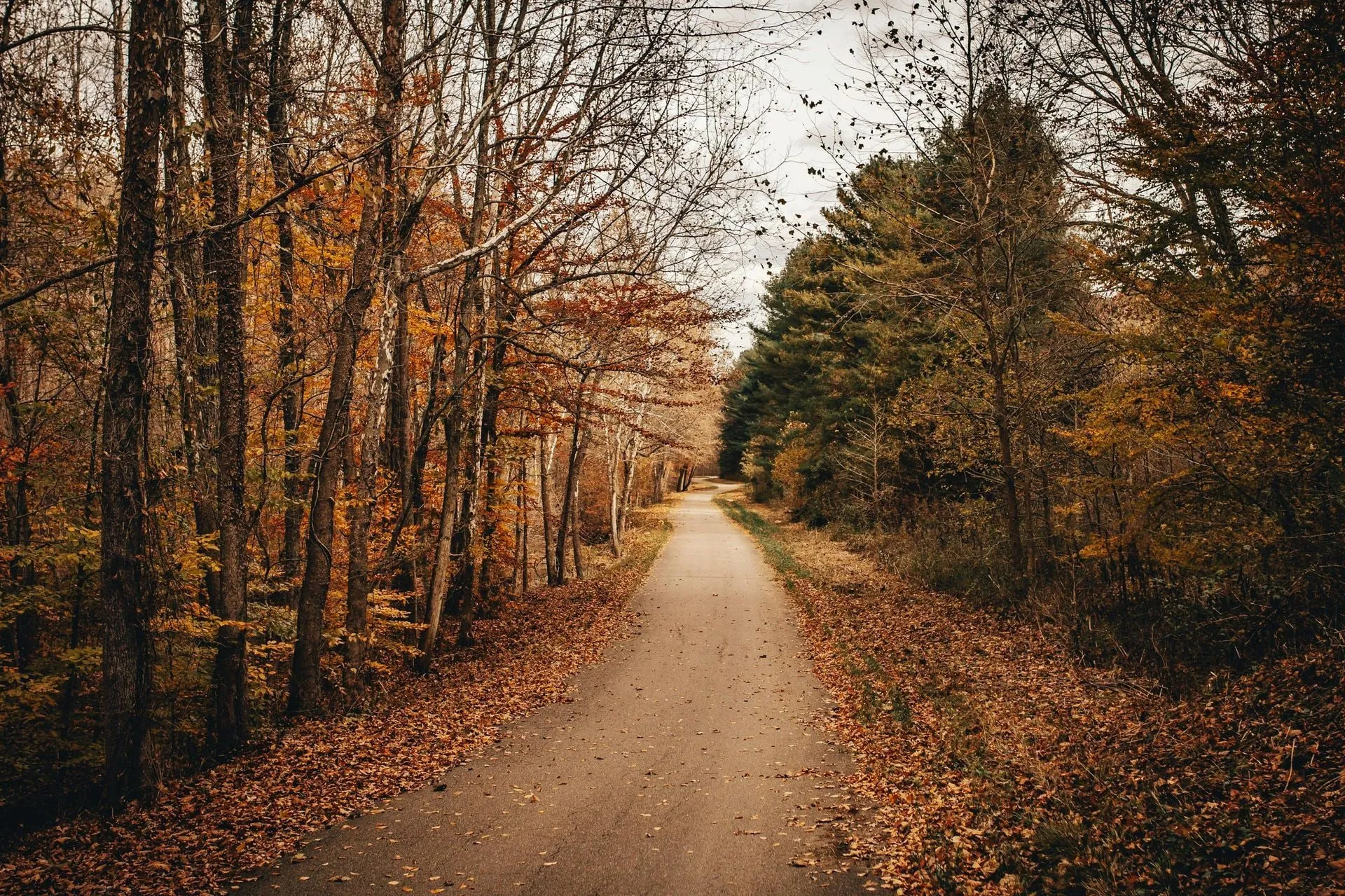
Cable has plenty of properties where access tightens before people realize it. Long drives that curve through trees. Trail-adjacent lots. Cabins tucked back where equipment can’t just roll in without thought. That’s where professional tree trimming here differs from other towns. You can’t just cut and drop. You have to plan for where everything goes, how it comes down, and how the ground holds. We see this a lot with tree branch trimming along trail corridors. Branches creep in slowly, then one winter of snow load bends them just enough to make passage a problem.
Cabin Lots vs. Full-Time Homes
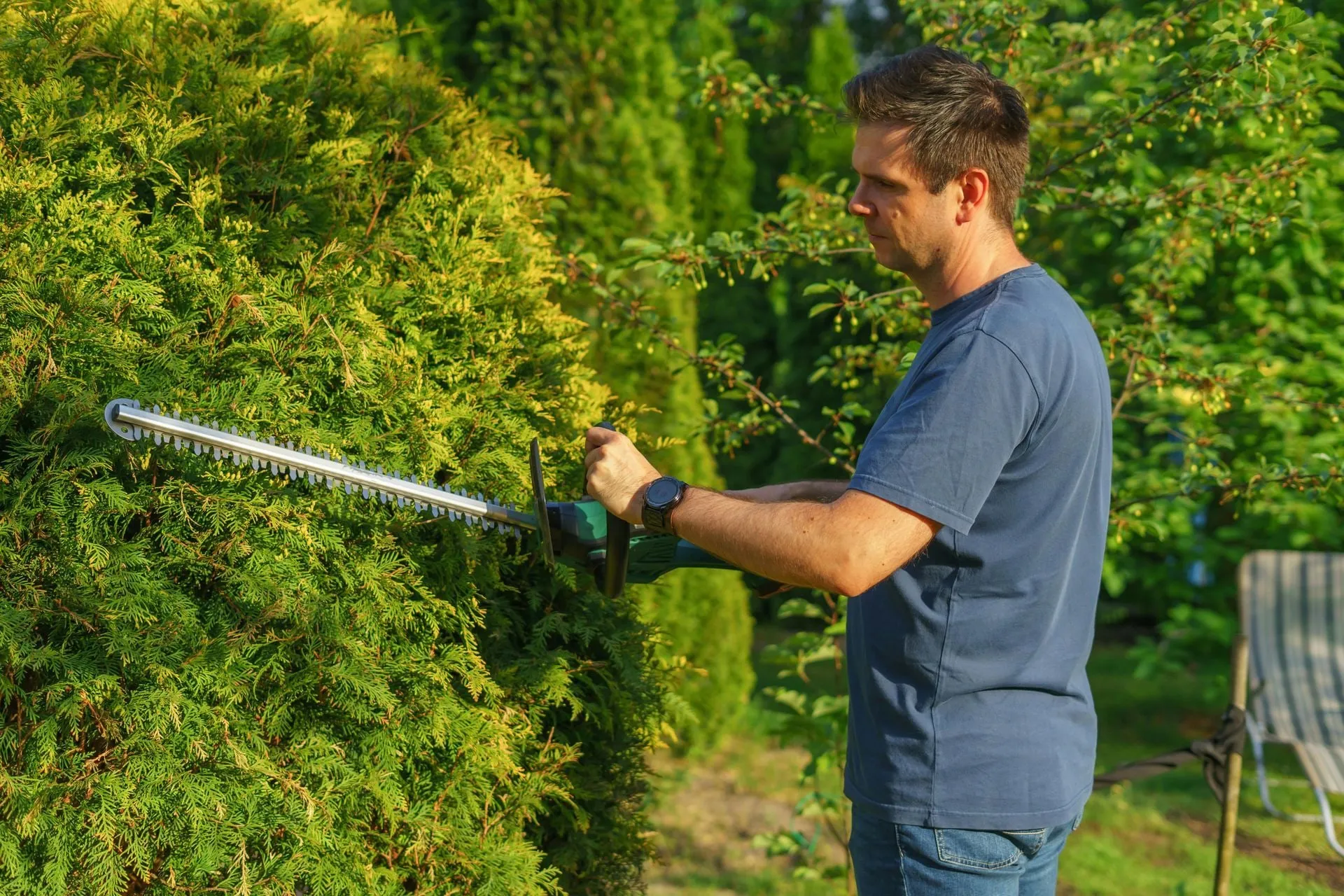
Cable has a mix of seasonal cabins and year-round homes, and that affects trimming decisions. Cabin owners often don’t see changes month to month. A limb that was fine last fall might be sagging into a path by spring. With residential tree trimming, timing matters. Some folks wait until they’re back in town and realize access is tighter than they remember. Others call when they notice moss taking over shaded rooflines or needles collecting where sunlight used to hit. The approach stays measured. You don’t open up more than you need to. You just make the space usable again.

Situations We See Over and Over Around Cable
Here are a few conditions that tend to cause trouble if they’re ignored too long:
• Trail-side limbs hanging lower every season • Pines growing too tight together, stressing each other • Driveways slowly narrowing without anyone noticing • Cabin roofs staying damp because branches block light • Young growth filling gaps meant to stay open • Access roads that were never built for equipment clearance
None of these are emergencies on day one. They become problems because they’re easy to overlook.
Snow Load Changes the Equation
Snow changes how trees behave in Cable. Limbs that look fine in summer can flex hard under weight and never fully recover. They hold that bend. The next season, they’re lower. Closer. Heavier. This is often when people start searching for tree trimming near me, not because something broke, but because movement became obvious. That’s where careful tree pruning and trimming helps—taking weight where it matters without stripping the tree bare. Snow doesn’t create the problem. It reveals it.
Keeping the Woods Intact While Trimming
One thing we’re careful about in Cable is not opening the woods more than necessary. Over-thinning causes its own issues. Sun exposure changes. Wind patterns shift. Trees that were protected suddenly aren’t. With tree care and trimming, we work selectively. Cut what’s interfering. Adjust what’s stressed. Leave what’s stable. The goal isn’t to make it look cleaned out. It’s to keep it functional without changing how the property feels. That approach matters just as much for commercial tree trimming near trail systems as it does for private land.
When Trimming Turns Into Emergency Work
Most trimming calls aren’t urgent. Emergency tree trimming usually comes after weather loads something past its limit. A branch that finally lets go. A tree that leans more than it should after snowmelt. The earlier trimming happens, the less likely it is to turn into a rushed situation. Once access is blocked or weight shifts too far, options get narrower. That’s when work gets harder, not easier.
How Quality Tree Service Approaches Cable Work
Quality Tree Service has been working on Northwoods properties like this since 1988. Cable fits the kind of work we’re used to—tight access, dense growth, uneven ground, and trees that don’t behave predictably. We look at how the land sits. How the trees lean. Where equipment can move without tearing things up. Our crew’s combined 85+ years in the field shows up in how measured the work is. No rush. No overcutting. Just steady adjustments that hold up season after season. That’s how tree cutting and trimming should feel here.
A Practical Word Before You Decide
Most people around Cable wait a little longer than they should. Not because they don’t care—because changes happen slowly here. If branches are starting to crowd trails, roofs, or access, it’s usually easier to deal with it before another season adds weight and stress. 📞 Quality Tree Service —715-603-6635 If something’s starting to press in or sag where it didn’t before, it’s worth taking a look while the options are still simple.
Tree Trimming Service Areas
Our team provides residential and commercial tree trimming services across:
- Ashland, WI
- Bayfield, WI
- Cable, WI
- Hayward, WI
- Iron RIver, WI
- Drummond, WI
We are fully equipped to handle pruning, hazard limb removal, and seasonal trimming throughout Bayfield County and surrounding communities.
FAQs About Tree Trimming in Cable, WI
How often should trees be trimmed in Cable?
There’s no fixed schedule. Most trimming happens when access starts tightening or when weight builds unevenly over time.
Is trimming different near trails?
Yes. Trail-adjacent trees need more attention to clearance and how branches fall during snow season.
Can trimming wait until winter?
Sometimes. But waiting can also make access harder if snow and ice pile up where limbs already hang low.
Do you handle both cabins and year-round homes?
We do. The approach just changes depending on how often the property is used.
Is trimming enough, or does removal come next?
Most of the time, trimming handles the issue. Removal only comes into play when stability is already compromised.
Other Tree & Property Services in Cable, WI
Quality Tree Service is a full-property crew — many Cable projects involve more than one service. Explore what else we do for your neighborhood.
- Tree Removal in Cable, WI
- Tree Services in Cable, WI
- Stump Grinding in Cable, WI
- Emergency Tree Service in Cable, WI
- Storm Damage Cleanup in Cable, WI
- Land & Lot Clearing in Cable, WI
- Site Preparation in Cable, WI
- Gravel Driveway Contractor in Cable, WI
- Residential Landscaping in Cable, WI
- Commercial Landscaping in Cable, WI
- Lawn Installation & Seeding in Cable, WI
- Yard Cleanup in Cable, WI
Prefer to start with the service overview? Visit our service hub or the full service-area directory.
Ready to Get Started?
Request a free estimate or call Mark’s crew today — we respond fast across northern Wisconsin.