Expert Tree Trimming Services in Iron River, WI
Tree trimming in Iron River is usually a follow-up call. Not because something failed outright, but because weather pushed a tree just far enough that it started behaving differently. A lean that wasn’t there before. Branches sitting under tension. A canopy that doesn’t settle back the way it used to. That’s when people start looking for tree trimming services that understand how Iron River trees change after wind and storms.
Around here, damage isn’t always loud. It’s gradual, and it waits.
How Wind Shapes Trees Around Iron River
Iron River sees more open exposure than people expect. Trees on the edges of clearings, along roads, or near older homes take wind season after season. They adapt to it until they don’t.
With local tree trimming , we’re often dealing with trees that look upright but carry stress in one direction. Branches grow heavier on one side. Upper canopies twist slightly. You won’t always notice it from the ground until something starts to feel off.
Wind doesn’t usually knock trees down here. It changes how they hold themselves.
Why Storm Damage Isn’t Always Obvious
Most calls for tree trimming near me in Iron River come weeks or months after a storm. By then, the tree has already settled into a new position. That’s when limbs start rubbing roofs, hanging lower over yards, or pulling against the trunk in ways they didn’t before.
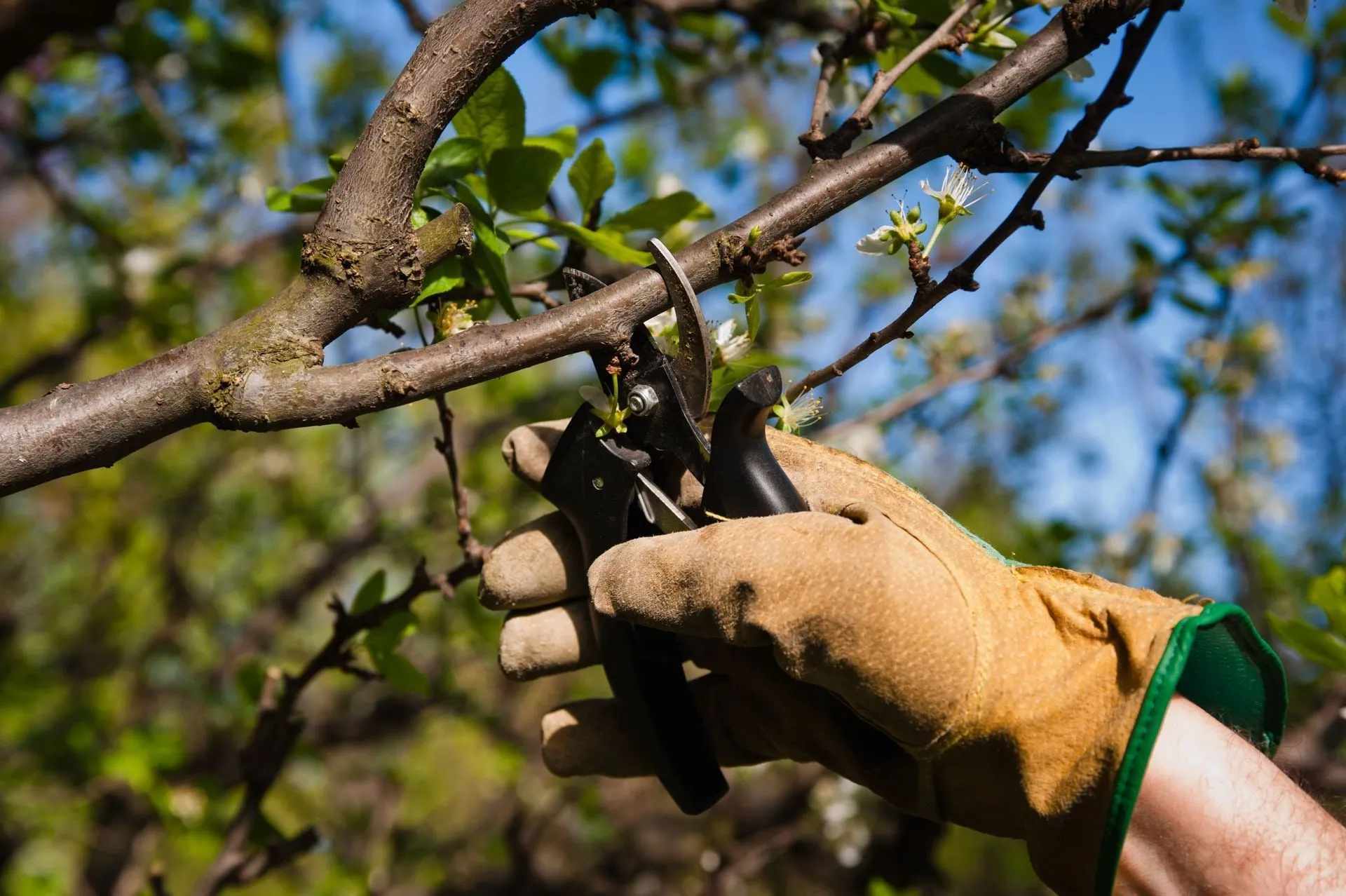
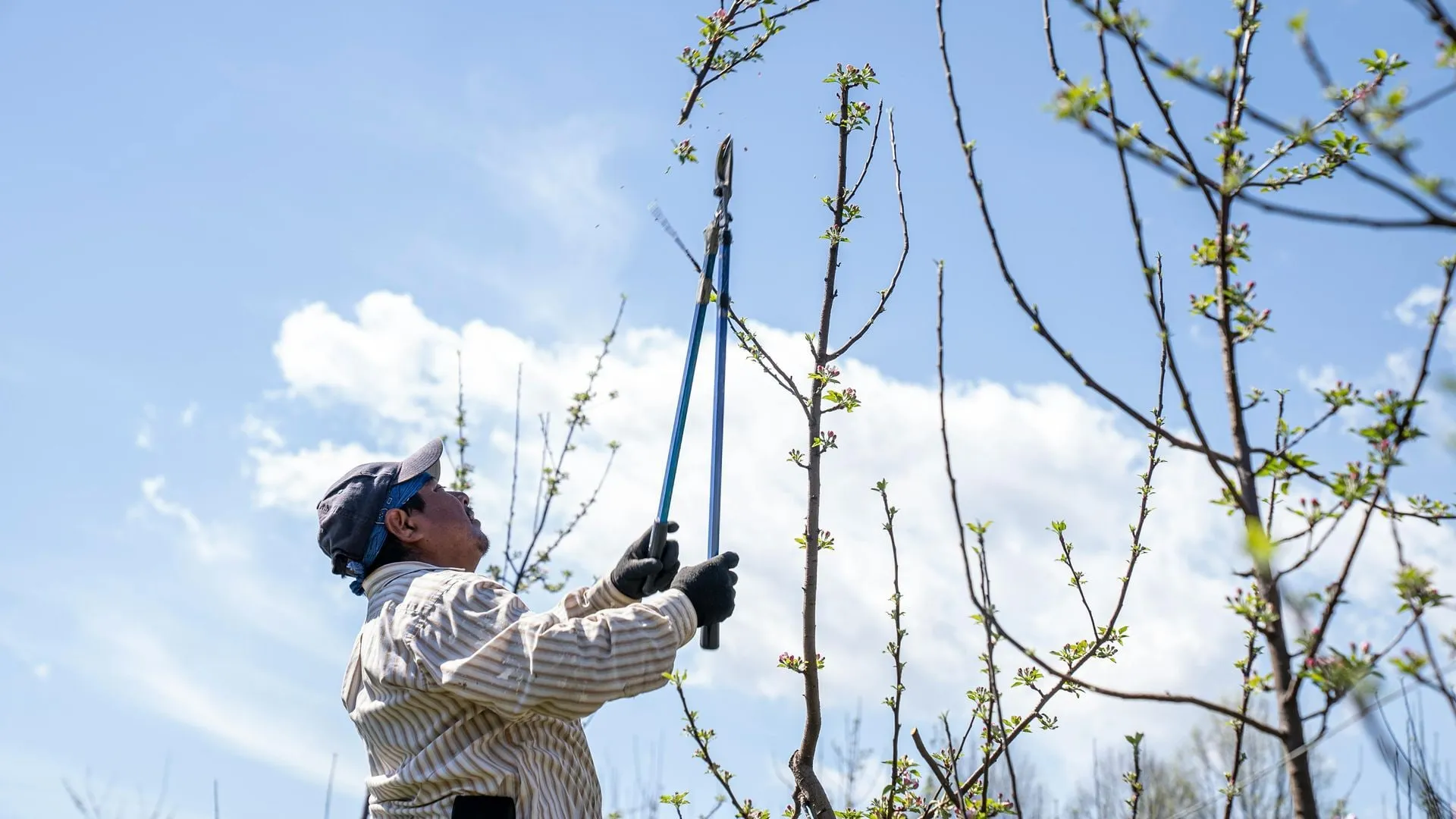
This is where tree branch trimming matters. Removing weight in the right places relieves tension before cracks form. Wait too long, and trimming becomes harder because the stress has already redistributed.
The storm passes. The tree remembers.
Older Properties, Older Growth
Iron River has a lot of older properties with mature trees planted decades ago. Back then, spacing wasn’t always a priority. Trees were put in for shade, windbreak, or privacy, and they grew unchecked for years.
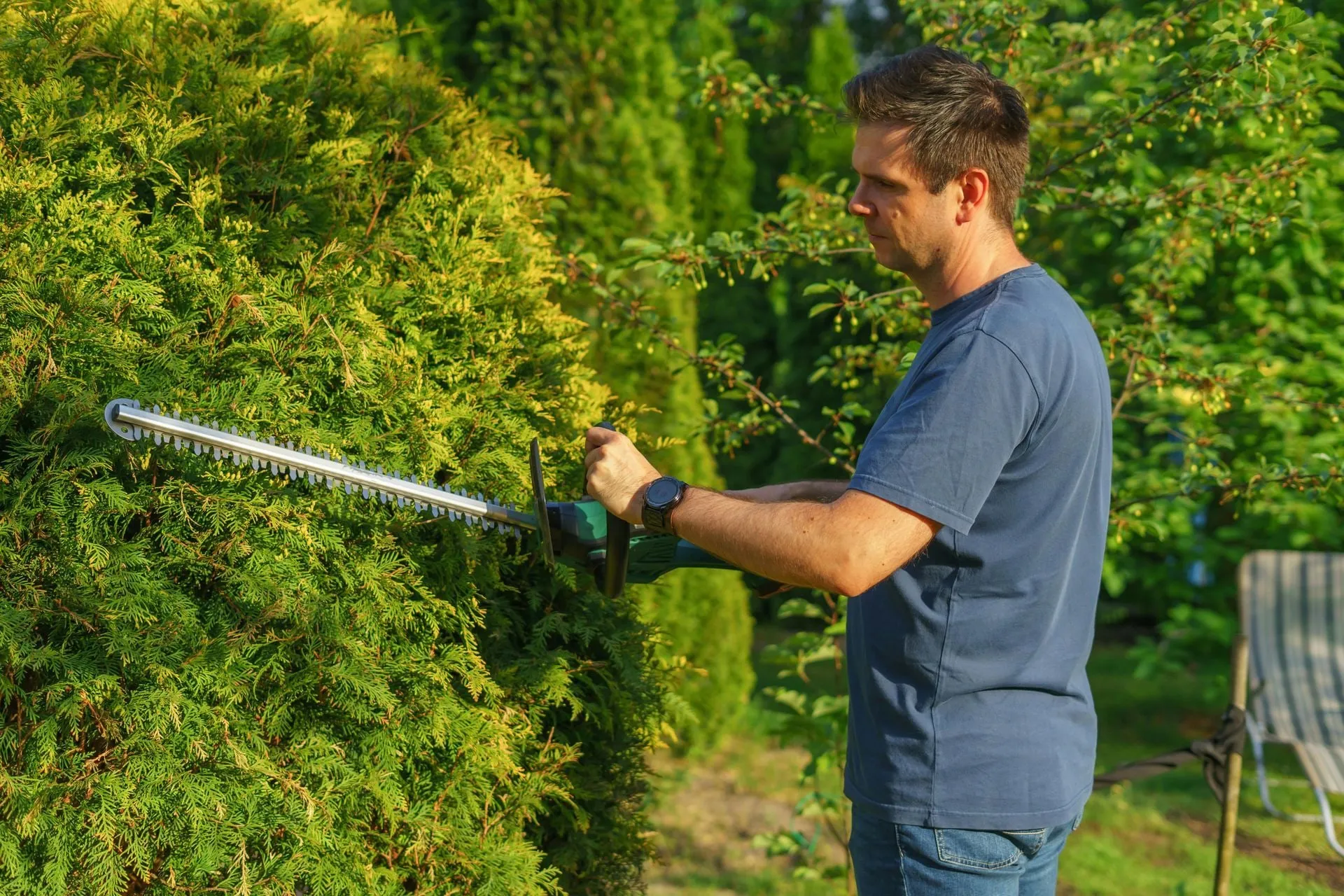
With residential tree trimming, we’re often balancing what those trees were meant to do with how the property is used now. A limb that was harmless when the house was new may now overhang a roofline or press into power lines.
The goal isn’t to reset the landscape. It’s to correct what time has slowly shifted.

Where Commercial and Residential Needs Split
Public and commercial tree trimming work around Iron River tends to focus on safety and access after weather events. Parking areas, entry points, and sight lines matter more than shape.
Residential work leans toward preventing the next problem. Homeowners notice branches sitting lower after wind or trees that sway differently during storms. That’s usually the moment tree care and trimming make sense—before weather decides for you.
Both sides deal with the same trees. The priorities just change.
Signs a Storm Changed More Than You Think
Here are situations we see often after wind or heavy weather in Iron River:
• A tree that leans slightly more every season
• Limbs twisted but still hanging together
• Canopies that shifted and never rebalanced
• Branches rubbing structures after storms
• Mature trees carrying uneven weight
• Areas where trimming was put off too long
None of these mean immediate failure. They mean the tree is under new pressure.
Preventive Trimming vs. Emergency Calls
Most people hope trimming stays routine. Emergency tree trimming usually happens when weight or tension crosses a line. A branch snaps. A tree shifts after a freeze-thaw cycle. Access becomes blocked.
Preventive tree pruning and trimming reduces that risk by correcting imbalance early. You don’t need to remove much—just enough to take stress off the structure.
Once a tree fails, options narrow fast.
How We Approach Iron River Properties
Quality Tree Service has worked on Iron River properties long enough to recognize patterns. Trees here don’t usually fall without warning. They show signs first. Subtle ones.
We look at lean direction. Canopy balance. How the ground held during the last storm. With professional tree trimming, the work is about adjustment, not overcutting. You take weight where it matters and leave the rest alone.
Our crew’s combined 85+ years in the field shows up in how calm the process is. No rushing to “clean it up.” Just steady corrections that hold through the next weather cycle.
When Trimming Isn’t Enough
Sometimes tree cutting and trimming reveals a deeper issue. Internal rot. Root movement. Damage that’s been hidden by foliage. That’s when trimming alone won’t solve it.
We don’t push removal unless the tree has already lost its stability. Most of the time, trimming extends the usable life of the tree and keeps the property safer without drastic changes.
Iron River trees usually give you time—if you pay attention.
How Experience Changes the Call in Iron River
After working trees around Iron River for decades, you start recognizing patterns that don’t show up in photos or quick walk-bys. Certain species here respond poorly once they’ve been pushed off balance. Others can be corrected early if weight is taken from the right side before stress sets in. That judgment only comes from seeing how trees behave after multiple weather cycles.
We’ve watched properties where the same tree gets trimmed lightly every few years and holds fine, and others where the same approach fails because the ground underneath keeps shifting. That’s not something a rulebook explains. It comes from remembering what happened the last time the wind came through and how the tree reacted months later.
That’s why our recommendations in Iron River aren’t one-size-fits-all. We adjust based on what the tree has already been through, not just what it looks like on the day we show up.
A Practical Thought Before Waiting
In Iron River, most problems don’t announce themselves. They show up slowly, one storm at a time. If a tree is leaning a little more than it used to, or branches aren’t settling back after wind, it’s usually easier to adjust things now than deal with a failure later.
📞 Quality Tree Service—715-603-6635
If something’s been bothering you since the last storm, it’s worth taking a look while the options are still straightforward.
FAQs About Tree Trimming in Iron River, WI
How soon after a storm should trees be checked?
Once conditions settle. Many issues show up weeks later, not immediately.
Is trimming enough for storm-exposed trees?
Often, yes. Removing uneven weight helps trees handle future wind better.
Do older trees need more frequent trimming?
They tend to. Growth patterns change as trees age, especially after storms.
Can trimming be done year-round?
In many cases, yes. Timing depends more on access and conditions than the calendar.
When does trimming turn into an emergency?
When branches or trees shift far enough to threaten structures or access.
Other Tree & Property Services in Iron River, WI
Quality Tree Service is a full-property crew — many Iron River projects involve more than one service. Explore what else we do for your neighborhood.
- Tree Removal in Iron River, WI
- Tree Services in Iron River, WI
- Stump Grinding in Iron River, WI
- Emergency Tree Service in Iron River, WI
- Storm Damage Cleanup in Iron River, WI
- Land & Lot Clearing in Iron River, WI
- Site Preparation in Iron River, WI
- Gravel Driveway Contractor in Iron River, WI
- Residential Landscaping in Iron River, WI
- Commercial Landscaping in Iron River, WI
- Lawn Installation & Seeding in Iron River, WI
- Yard Cleanup in Iron River, WI
Prefer to start with the service overview? Visit our service hub or the full service-area directory.
Ready to Get Started?
Request a free estimate or call Mark’s crew today — we respond fast across northern Wisconsin.