Reliable Stump Grinding Services in Iron River, WI
Stump grinding in Iron River usually comes after something else has already gone wrong. A windstorm, a heavy snow load, and a tree that leaned too far and finally gave up. The tree gets handled first and fast, and the stump gets left behind.
That’s when stump grinding services start to matter, especially on larger Iron River properties where leftover stumps don’t stay harmless for long. At Quality Tree Service , we’ve been handling tree stump removal across the Northwoods since 1988. With Iron River, the work often follows storms and emergency removals. The land is more open, parcels are bigger, and when something comes down, it tends to leave a mess underneath.
Why Stumps Are Left Behind After Storm Work
In Iron River, trees don’t always fall neatly. High winds twist them, root balls lift, and trunks tear instead of snap. Emergency tree removal focuses on clearing danger first—houses, driveways, and access lanes. The stump gets cut low and left because there’s more to deal with. That’s where stump grinding and removal come back into the picture later. The ground’s already disturbed, roots are exposed, and moisture settles in fast. Tree stump grinding becomes less optional once those areas start holding water or softening underfoot.
Ground Conditions After Wind and Water
Local stump grinding in Iron River is shaped by what storms leave behind. Saturated soil. Ruts from equipment. Uneven ground that looks fine until it freezes or dries out. We usually check how the root system shifted when the tree fell. If the stump’s holding water or sitting in compacted soil, grinding too shallow causes problems. Professional stump grinding here means adjusting depth based on what the storm already changed below grade.
Grinding After Emergency Tree Removal
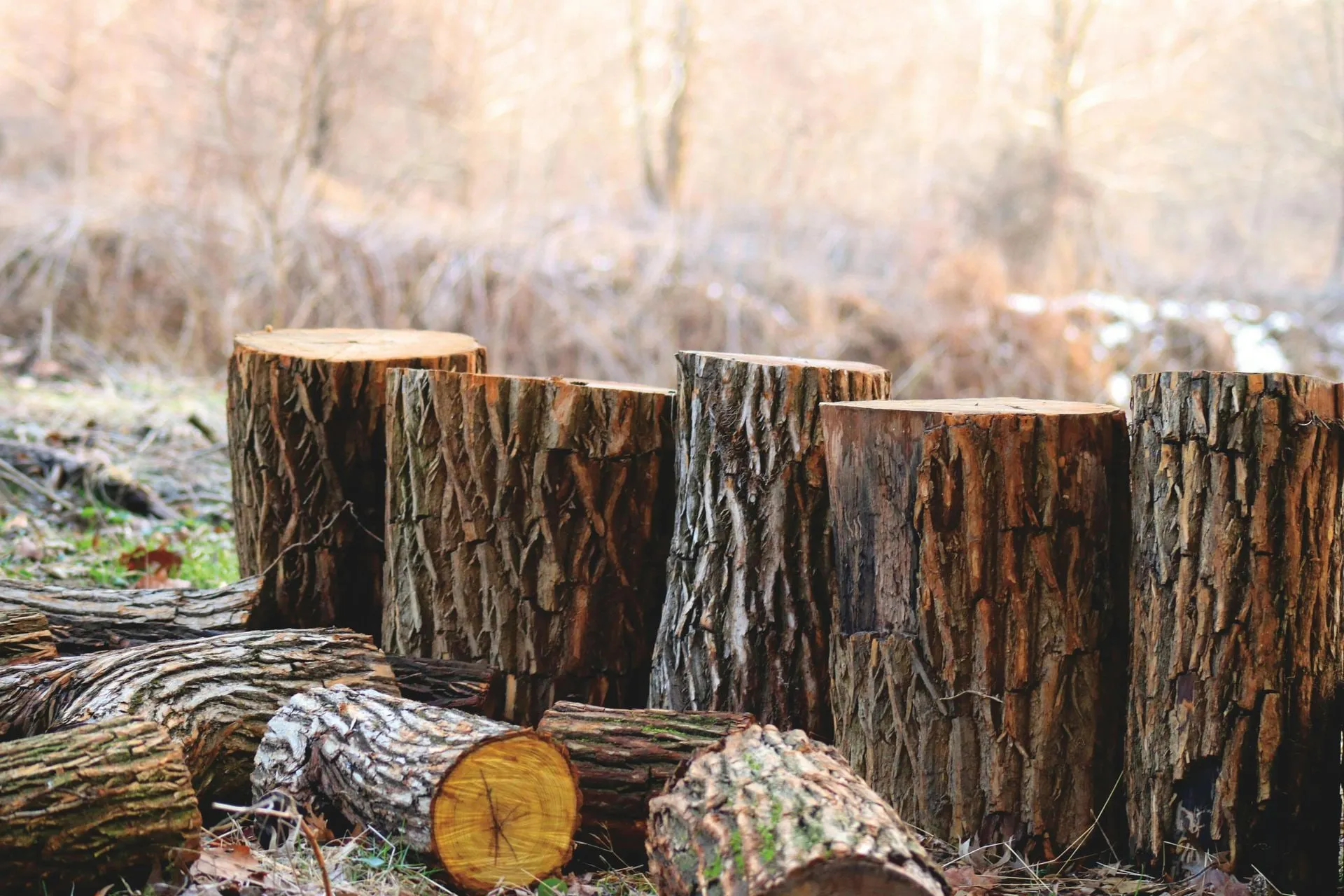
Emergency stump grinding isn’t always immediate, but the need shows up fast. Once the trunk is gone, the stump becomes the obstacle—blocking access, interfering with cleanup, or creating a low spot that won’t drain. Stump grinding near me searches from Iron River often come weeks after emergency calls, when property owners realize the ground never settled back. We plan around existing damage instead of pretending the site is untouched.

Residential and Rural Properties in Iron River
Residential stump grinding here often covers more ground than people expect. Even smaller homes tend to sit on larger lots, and one storm can leave multiple stumps scattered across open areas. Commercial stump grinding usually ties to shared access roads, camps, or properties with repeated traffic. Stump removal service on those sites needs to account for vehicles, equipment, and long-term use, not just clearing the surface. Affordable stump grinding in Iron River isn’t about cutting corners. It’s about sequencing the work so the land doesn’t need to be fixed twice.
What’s Left Behind After Storm Removals Around Iron River
This is what we typically see when we arrive for stump grinding services after storm-related tree work:
• Partially lifted root balls that never settled back • Water-filled stumps that soften the surrounding ground • Broken tops that left uneven stump cuts • Compacted soil from emergency equipment access • Ruts and depressions that collect runoff • Neighboring trees stressed by exposed roots
These aren’t cosmetic issues. Over time, they turn into access and drainage problems.
How the Grinding Process Usually Unfolds Here
Tree stump removal in Iron River starts with figuring out how much the ground was already compromised. We check slope, runoff paths, and how equipment previously moved across the area. Stump grinding itself is straightforward, but the setup isn’t. We grind in stages, reassess, and adjust depth so the stump doesn’t continue to hold water or cause settling later. Grinding too fast or too shallow after storm damage usually leads to callbacks.
Why Waiting Makes It Worse
Iron River sees a lot of freeze-thaw. Stumps left after storms tend to trap moisture. Once winter hits, that moisture freezes, expands, and shifts the surrounding soil. Tree stump grinding done before that cycle usually prevents bigger ground issues. Waiting means the stump area grows instead of shrinks—soft spots spread, edges crumble, and the repair zone gets wider than the original cut.
What We Check Before Grinding a Storm-Left Stump
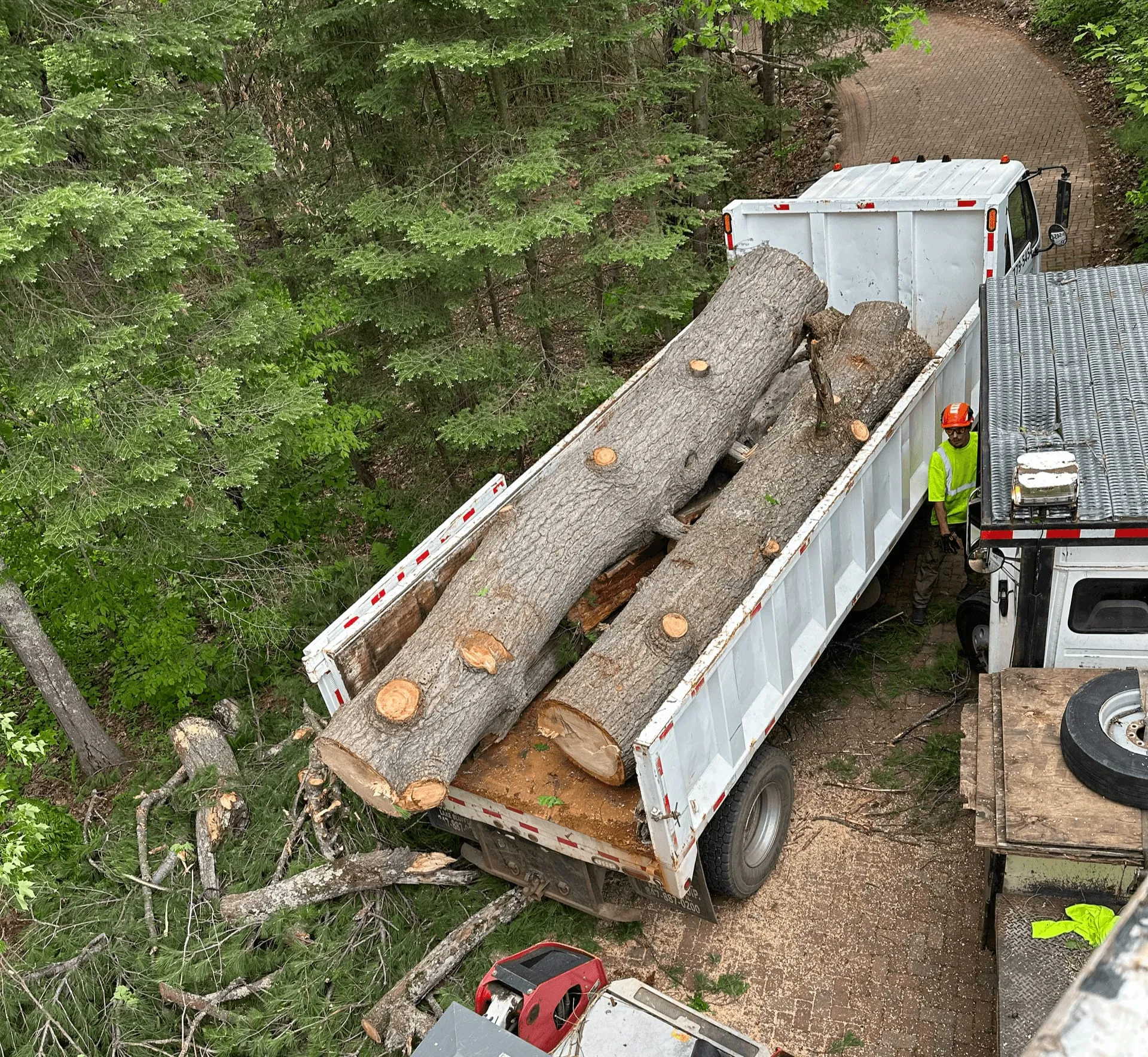
Before any stump grinding starts in Iron River, we spend time looking at what most people walk right past. Storm removals don’t fail the same way twice, even on neighboring properties. We check how the tree twisted as it went down, not just where it landed. A stump that tore instead of snapped usually means the roots shifted unevenly below grade. That’s where future settling starts. We also look at how water moves across the site now, not how it used to. Storm equipment, uprooted trees, and compacted soil change runoff patterns. Grinding without accounting for that just hides the problem for a season. Finally, we pay attention to what’s still standing nearby. Trees that lost root support during the storm often lean more over time. Grinding the stump in isolation without protecting the surrounding ground can create new trouble instead of fixing the old. That judgment comes from seeing the same patterns repeat across Iron River properties year after year—not from rushing the job.

A Regional Reality We See Every Year
Storms in the Northwoods don’t space themselves out nicely. Iron River properties often take hits back-to-back. Leaving stumps between events creates weak points that equipment and weather keep working against. Local stump grinding helps stabilize those areas so the next storm doesn’t undo previous work. It’s not about perfection—it’s about keeping the ground predictable.
When It Makes Sense to Handle the Stump
Most Iron River stump grinding calls happen after the immediate crisis passes. That’s usually the right time. Once the tree’s down and things calm, the stump becomes the part that quietly causes trouble. If a stump is holding water, blocking cleanup, or sitting in ground that never firms up, it’s worth addressing before the next freeze or storm gets there first. 📞 Quality Tree Service— 715-603-6635 We’ll look at what the storm left behind and how the ground’s behaving and explain what needs to happen so the problem doesn’t keep coming back.
Stump Grinding Service Areas
We provide professional stump grinding and stump removal services throughout Northern Wisconsin. Whether you’re clearing space for landscaping or removing a hazardous stump, we serve:
- Ashland, WI
- Bayfield, WI
- Cable, WI
- Hayward, WI
- Iron River, WI
- Drummond, WI
If you don’t see your town listed, contact us to confirm availability in your area.
FAQs—Stump Grinding in Iron River, WI
Should stumps be ground right after storm tree removal?
Usually, yes. Once the ground is already disturbed, addressing the stump prevents water and frost from causing more movement.
Can stump grinding be done in wet conditions?
It can, but timing matters. We assess saturation first to avoid making ruts worse.
How deep do you grind storm-related stumps?
Deep enough to stop water retention and allow the area to settle. That depth varies by site.
Will grinding fix existing ruts or depressions?
Grinding helps, but some areas may need additional leveling depending on damage.
Is emergency stump grinding available?
That depends on how the area will be used. We’ll talk through options on-site.
Other Tree & Property Services in Iron River, WI
Quality Tree Service is a full-property crew — many Iron River projects involve more than one service. Explore what else we do for your neighborhood.
- Tree Removal in Iron River, WI
- Tree Trimming in Iron River, WI
- Tree Services in Iron River, WI
- Emergency Tree Service in Iron River, WI
- Storm Damage Cleanup in Iron River, WI
- Land & Lot Clearing in Iron River, WI
- Site Preparation in Iron River, WI
- Gravel Driveway Contractor in Iron River, WI
- Residential Landscaping in Iron River, WI
- Commercial Landscaping in Iron River, WI
- Lawn Installation & Seeding in Iron River, WI
- Yard Cleanup in Iron River, WI
Prefer to start with the service overview? Visit our service hub or the full service-area directory.
Ready to Get Started?
Request a free estimate or call Mark’s crew today — we respond fast across northern Wisconsin.