Storm Damage Cleanup in Solon Springs, WI
There is a particular kind of storm aftermath that rural Douglas County properties produce — and it is not the kind that gets resolved with a few hours of weekend yard work. When a significant weather event moves through the Solon Springs area and hits the mature softwood and mixed hardwood forest that fills the land between Upper St. Croix Lake and the river corridor to the south, what it leaves behind is not a manageable pile of branches. It is a full-scale debris field across a property that was already remote before the storm arrived.
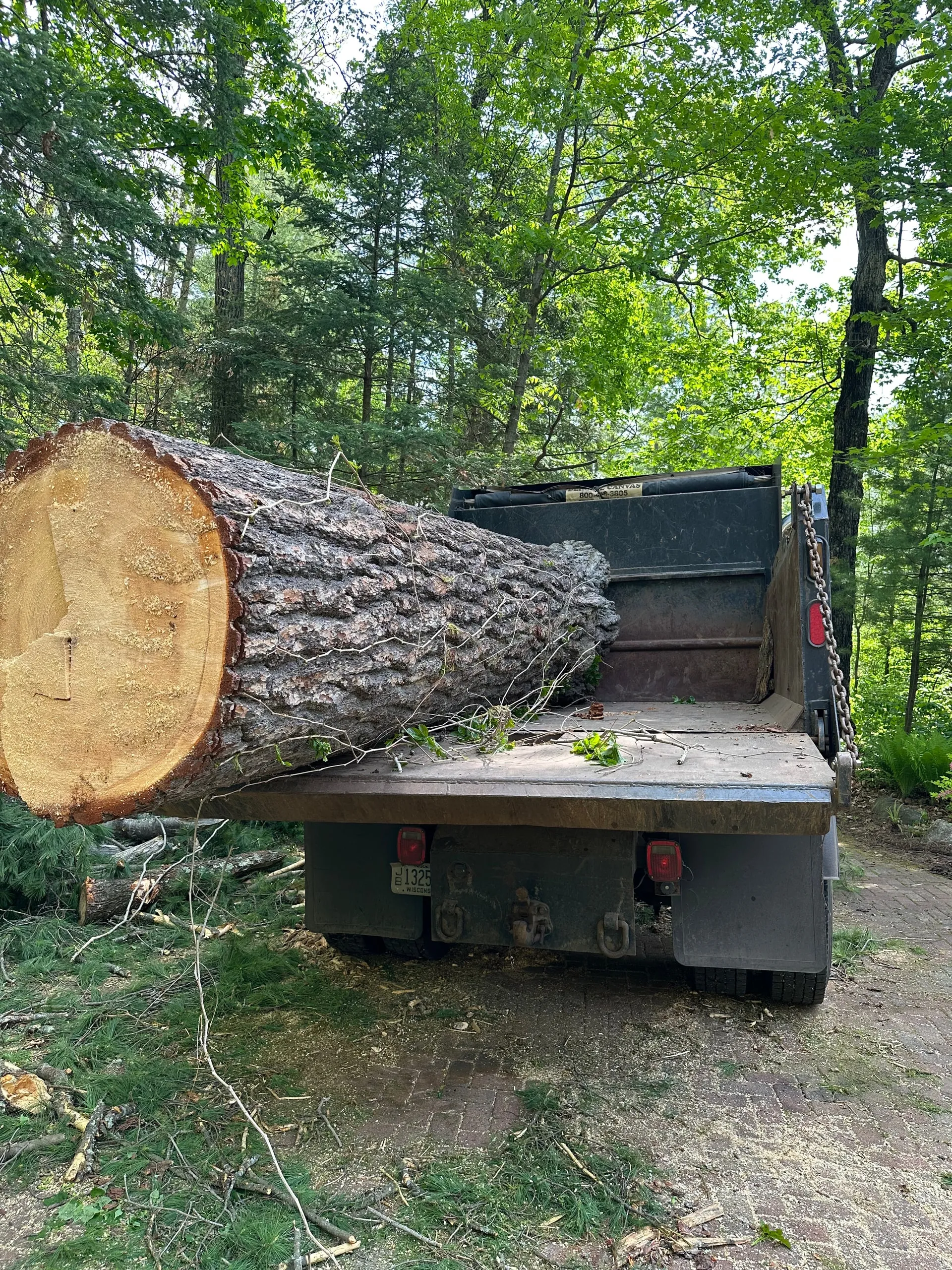
Log sections from downed pines that measure two feet across. Root ball craters in low, wet ground that leave gaping voids and displaced soil. Brush volumes that spread from the tree line across the yard and into the access drive. And beneath all of it — ground disruption, drainage changes, and compacted soil that will cause problems for months if it is not properly addressed.
Quality Tree Service provides complete storm damage cleanup throughout the Solon Springs area — not just hazard removal, but full debris management, ground restoration, and site cleanup on the rural and lake properties that define this part of Douglas County.
The St. Croix Corridor After a Storm
The forest character of the Solon Springs area shapes everything about what storm cleanup looks like here. This is riparian and transitional forest country — balsam fir, black spruce, and tamarack in the low wet ground near the St. Croix headwaters and the feeder drainages that thread through the area, transitioning to larger red pine, white pine, and mixed hardwoods on the upland parcels above. Both forest types produce significant debris in a storm, but they produce it differently.
The softwood species in the low-lying riparian zones — the spruce and tamarack stands near Upper St. Croix Lake and the wetland margins south of town — tend to fail as whole trees or large tops, producing dense, branchy material that is voluminous and difficult to move without the right equipment. The wood is lighter than hardwood but the branch density makes processing it time-consuming. When these trees come down near a shoreline or drainage feature, the debris management has to account for what is underneath and beside the material — not just the debris itself.
The upland pines and mixed hardwoods produce heavier material — large log sections that require mechanical handling, significant brush from crown failures, and root balls that can measure six feet or more in height when they lift out of the ground. On the larger rural parcels off the county roads north and west of town, a single significant storm event can scatter this material across a wide area that no single person with a chainsaw and a pickup can address in any reasonable timeframe.
Storm tree cleanup in this landscape is logistically demanding work. It requires a crew that understands the terrain, the tree species, and the specific challenges that water-adjacent and remote rural properties present.
About Quality Tree Service
Quality Tree Service has been in the residential tree removal and storm cleanup business for 36 years. Our crew brings a combined 85 years of hands-on experience working in exactly the kind of terrain and forest conditions the Solon Springs area produces. We operate specialized equipment with experienced operators capable of handling all types of projects — from single-tree storm damage tree removal on a lake lot to high-volume debris management across larger rural parcels.
We are not a suburban crew that takes occasional rural calls. Remote property cleanup, riparian site work, large softwood debris management, and rural access problem-solving are a regular part of what we do. When the job is in Douglas County backcountry, we come prepared for what that actually means.
Six Things Left Behind After a Storm That Most Cleanup Crews Do Not Address
Incomplete storm cleanup is one of the most common post-storm frustrations property owners in the Solon Springs area face. A crew comes out, removes the most obvious material, and leaves. What remains — sometimes for months — creates ongoing problems that compound the original storm damage. Here is what Quality Tree Service addresses as a standard part of every storm cleanup service job:
Root Ball Mass and the Ground Void Beneath It — An uprooted tree on a Solon Springs-area property does not just leave debris above ground — it leaves a crater. The lifted root ball holds displaced soil, rock, and root material that needs to be cut back and broken down. The void beneath it disrupts drainage, creates an unstable surface hazard, and — on properties near the lake or drainage corridors — can accelerate erosion if left open. Rough grading and void management is part of our cleanup scope, not a separate job.
Brush and Branch Material Piled Against Structures or Fencing — Debris that comes to rest against a cabin wall, outbuilding, or fence line is not inert. It retains moisture against the structure, provides pest harborage, and in contact with wood siding or logs begins to cause damage within weeks. Tree branch removal from structure contact points is handled carefully and completely — not just pulled away and left on the ground nearby.
Fine Debris Ground Into Turf, Garden Areas, and Shoreline Zones — The smallest debris category covers the largest area. Bark shards, twig clusters, leaf matter, and wood chips from a primary failure scatter across the full downwind area of a property. On lake properties near Upper St. Croix Lake, this material reaches the shoreline and enters the water if it is not collected. Raking and collecting fine storm debris removal across the full affected area is part of the job — not an optional finish.
Log Sections Left in Access Drives or Low-Lying Areas — Log material left in a driveway or across a low area of the property does not just create an access problem. Logs sitting on the ground in wet Solon Springs soils begin to settle quickly, become increasingly difficult to move, and kill the vegetation beneath them. Tree debris removal of all log sections — hauled off or cut to firewood length and properly stacked — is part of complete cleanup, not a weather-dependent follow-up task.
Storm-Snapped Tops Still Suspended in the Upper Canopy — After a significant storm event, it is common to find broken tops and major limbs that failed but did not fully come down — still suspended in the canopy of the tree they broke from, or caught in adjacent trees. These are not cleanup items that can wait. They are active hazards that need to be addressed as part of the overall storm response. Fallen branch removal of suspended material is part of our assessment on every post-storm job.
Disturbed Soil and Compaction Across the Impact Zone — When a large tree comes down on a Solon Springs-area rural property, the ground impact affects more than just the root void. Soil compaction across the fall zone, displaced topsoil from the root heave, and grade changes near drainage features all create lasting problems if the ground is simply cleaned up on the surface without addressing what happened beneath it. We flag these conditions and address them within our cleanup scope where equipment allows.
What Complete Storm Damage Cleanup Looks Like on a Solon Springs Property
Tree and debris removal done completely on a rural Douglas County property means the site is left in a condition that functions — not just a condition that looks like the debris is gone. When Quality Tree Service completes a storm damage tree service job in the Solon Springs area, the scope includes:
All primary log material bucked, moved, and handled per the owner's preference — hauled off, cut to firewood length and stacked, or cleared from access areas. All brush and secondary branch material chipped or hauled — not piled at the property edge and left. Root ball addressed and ground void rough-graded. Debris cleared from structures, outbuildings, fencing, and access drives. Suspended material in the canopy identified and brought down safely. Fine debris collected across the full affected area. A property walkthrough with the owner — or by phone with a remote owner — to confirm completeness and flag any follow-up concerns.
A fallen tree on house or cabin is handled with the same deliberate, complete approach — structural contact removal first, full debris scope second, ground and site restoration third.
Solon Springs Area Service Coverage
Quality Tree Service provides storm cleanup service throughout Solon Springs and the surrounding Douglas County region — lake properties on Upper St. Croix Lake, rural parcels along the Highway 53 corridor, properties near the St. Croix River headwaters, seasonal cabins off the county roads north and west of town, and remote woodland properties throughout the area. No property is too far out and no cleanup scope too large for our crew and equipment.
Frequently Asked Questions — Storm Damage Cleanup in Solon Springs, WI
1. Do you handle cleanup on remote rural properties outside of Solon Springs proper?
Yes. Rural and remote property cleanup is the majority of what we do in this area. Distance and access do not change our approach — they just factor into the logistics we plan upfront.
2. The storm left a large root ball crater near my shoreline. Can you address that as part of cleanup?
Yes. Root ball management and ground void rough-grading near shorelines and drainage features is part of our standard cleanup scope. We do not leave that work for someone else.
3. There is broken material still hanging in the trees above the property. Is that part of cleanup?
Yes. Suspended broken tops and hanging limbs are identified and brought down as part of every post-storm assessment and cleanup job. We do not leave active overhead hazards in place.
4. I am not at the property right now. Can you complete the cleanup without me on site?
Yes. We assess on arrival, document the scope, contact you with what we find, and proceed with your authorization. Remote property owners are a regular part of how we work in this area.
5. Can you cut the downed logs to firewood length instead of hauling them away?
Yes. We can cut to firewood length and stack on the property, haul everything off, or a combination of both. We sort this out with you before cleanup begins.
Call Quality Tree Service for Storm Damage Cleanup in Solon Springs, WI
36 years of experience. Complete cleanup built for rural Douglas County properties.
Do not leave storm debris sitting on your Solon Springs property. Call Quality Tree Service now for professional storm damage cleanup — and get a crew that handles the full scope, knows this terrain, and does not leave the job half done. We also provide storm cleanup services in Ashland , Hayward , Iron River , Cable , Bayfield , & Washburn .
Other Tree & Property Services in Solon Springs, WI
Quality Tree Service is a full-property crew — many Solon Springs projects involve more than one service. Explore what else we do for your neighborhood.
- Tree Removal in Solon Springs, WI
- Tree Trimming in Solon Springs, WI
- Stump Grinding in Solon Springs, WI
- Emergency Tree Service in Solon Springs, WI
- Land & Lot Clearing in Solon Springs, WI
- Site Preparation in Solon Springs, WI
- Gravel Driveway Contractor in Solon Springs, WI
- Residential Landscaping in Solon Springs, WI
- Commercial Landscaping in Solon Springs, WI
- Lawn Installation & Seeding in Solon Springs, WI
Prefer to start with the service overview? Visit our service hub or the full service-area directory.
Ready to Get Started?
Request a free estimate or call Mark’s crew today — we respond fast across northern Wisconsin.